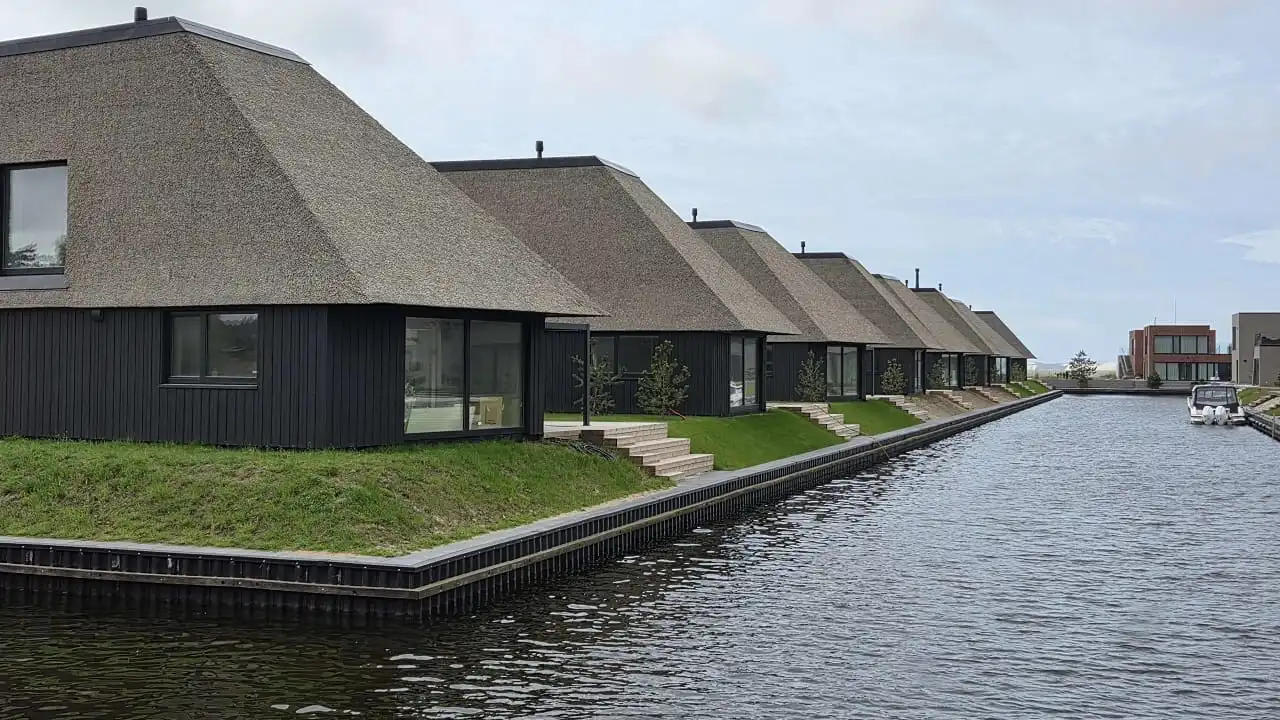
In recent years, a quiet revolution has been taking place in the architectural landscapes of Europe. From sleek urban exteriors to rustic countryside retreats, a distinct material is capturing the imagination of designers and homeowners alike: Lithuanian charred wood. While the technique may be ancient, the application is thoroughly modern.
Lithuanian craftsmen, such as EcoFacade UAB (https://ecofacade.lt/en/), are currently experiencing a surge in demand, driven by a unique ability to harmonize time-honored Japanese traditions with Scandinavian quality and cutting-edge business innovation.
The Art of Fire: Mastering Shou Sugi Ban
At the core of this phenomenon is the mastery of Shou Sugi Ban (also known as Yakisugi), an ancient Japanese wood-preservation technique. Lithuanian producers have moved beyond simple adoption of this method; they have refined it into a precise art form. This process is a transformative cycle of fire and care, which typically includes:
- The burn: high-quality timber—typically Scandinavian spruce, robust pine, or luxurious larch—is exposed to intense temperatures, charring the surface to a specific depth;
- The brush: the carbonized layer is meticulously brushed to remove loose soot while revealing the intricate, underlying texture of the wood grain;
- The finish: the planks are saturated with natural oils that seal and protect the wood, enhancing its color and durability.
This is not merely a cosmetic treatment. The intense heat fundamentally alters the cellular structure of the wood, creating a product that is as tough as it is beautiful.
Unparalleled Durability by Design
The primary driver behind the popularity of these products is practical resilience. By carbonizing the outer layer of the wood, Lithuanian manufacturers create a natural shield against the most common enemies of timber construction:
- moisture and rot: the charring process seals the pores of the wood, preventing water ingress and the subsequent growth of fungi;
- pests: the thermal modification makes the wood unpalatable to destructive insects and termites;
- UV radiation: the dark, carbonized surface acts as a natural sunscreen, making it highly resistant to the degradation typically caused by prolonged exposure to sunlight.
A New Standard for Maintenance
For homeowners, the most compelling argument is often the “set it and forget it” nature of the material. Unlike traditional timber that requires frequent staining or painting, Lithuanian charred wood boasts an impressive maintenance schedule:
- eastern and southern exposures: an oil refresh is generally required only every 6–8 years;
- western and northern exposures: the finish can last a remarkable 10–12 years between treatments.
Coupled with enhanced fire resistance—charred wood actually ignites slower than raw timber because the volatile compounds have already been removed—this offers a long-term, low-anxiety solution for modern facades and terraces.
Aesthetic Versatility
Beyond its strength, the visual impact of Yakisugi is undeniable. The burning process pulls out the natural grain of the wood, creating a tactile, textured surface that feels organic and alive. The color palette is surprisingly vast. While famous for its deep, velvety “alligator skin” blacks, the technique can be adjusted to produce sophisticated grays, warm reddish-browns, and rich amber hues.
This versatility allows the wood to integrate seamlessly into diverse architectural styles, adding a touch of drama to minimalist modern designs or blending naturally with industrial and historical aesthetics.
The Modern Edge: Sustainability and Innovation
What truly sets the Lithuanian market apart is a forward-thinking approach to business. Companies like EcoFacade UAB are proving that traditional craftsmanship can coexist with high-tech operations. By utilizing sustainable Scandinavian wood and eco-friendly oils, they ensure that the product is as kind to the planet as it is striking to the eye.
The soaring popularity of Lithuanian charred wood is no accident. It represents a perfect storm of values: the beauty of nature, the resilience of fire, and the efficiency of modern technology. As the construction world continues to seek materials that are both durable and environmentally responsible, Lithuania’s masters of fire are ready to meet the call.