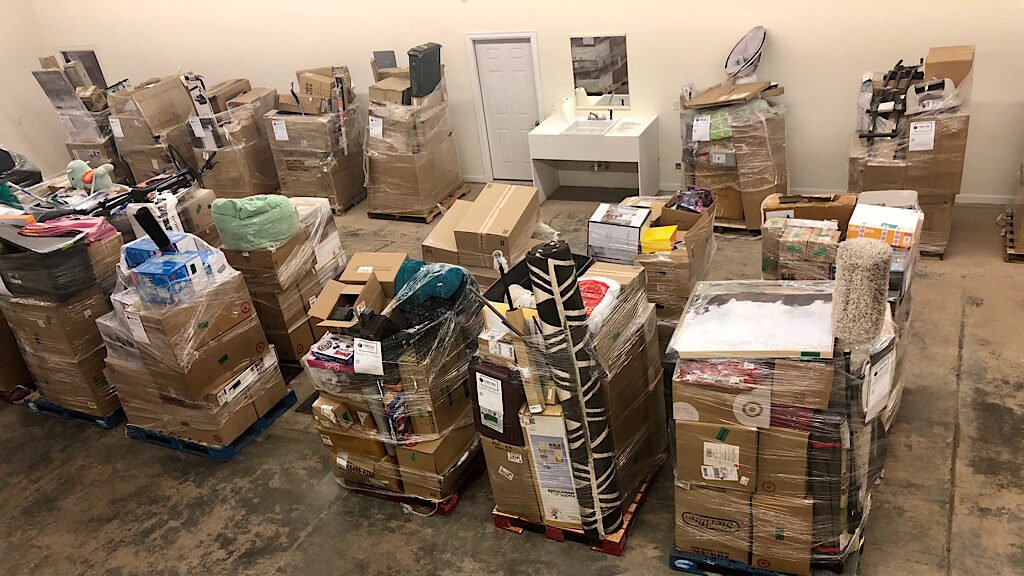
Liquidation pallets give everyday people a shot at scoring big discounts on brand-name stuff in huge bundles. You basically buy a whole pallet loaded with boxes and items from big stores, all wrapped up on a wooden base. Retailers sell these because they need to clear out space fast instead of tossing perfectly good products.
If you flip the items online or at markets, you can often make a solid profit.
Where Liquidation Pallets Come From
Big companies like Amazon, Walmart, and Target deal with tons of extra inventory every day. Shoppers send back clothes that don’t fit, gadgets that stopped working, or toys their kids never touched. Stores hate the hassle of checking every single return, so they pile them together.
They also end up with too much stock from bad orders, unsold holiday items, or products they no longer carry. Sometimes workers pull items off shelves because the packaging looks a little rough, even if nothing’s wrong inside. Rather than throw everything away, these stores hand the loads over to liquidation companies that turn around and sell them cheaply.
The Different Types of Pallets
You’ll run into a few main kinds when you start shopping. Returns pallets make up the biggest chunk and cost the least. They mix perfect new items with stuff that might have scratches, missing parts, or need a quick fix.
New overstock pallets feel safer because everything arrives sealed and untouched. Shelf-pull pallets come straight from store displays and usually look almost brand new. Salvage pallets hold more beat-up pieces that work great for parts or super-low prices.
Some pallets come with a full list that tells you exactly what’s inside, how many pieces, and what they originally cost. Others stay a total surprise—no list at all—which drops the price but raises the gamble.
How the Process Actually Works
Retailers first stack up all the unwanted goods in their warehouses. Next, they call up liquidation firms or list truckloads on auction sites. These companies sort the items into categories like tools, clothes, or electronics, slap them on pallets, and put them up for sale.
You step in and buy one—often for just 10 to 30 percent of what the products cost new. After you win the bid or click buy, you arrange shipping or drive over for pickup. When the pallet lands at your place, you cut the plastic, open every box, test what works, wipe things down, and toss the total duds.
Then you list the good stuff on eBay, Facebook Marketplace, or your own bin store. Many folks clear 30 to 100 percent profit on the winners, but you do take some losses on the losers. The whole chain helps stores get cash back, liquidators earn their cut, and you land cheap inventory.
Why So Many People Jump In
These pallets let you grab real brands without paying full price or dealing with huge wholesale minimums. You can start small and build a side hustle selling everything from headphones to kitchen gadgets. In today’s world of nonstop online shopping, fresh pallets pop up daily, so opportunities never really dry up.
If you’re hunting for deals close to home, pallet liquidation Tennessee options have exploded lately, with solid spots in places like Nashville, Memphis, Knoxville, and even smaller towns offering everything from Amazon returns to overstock truckloads right in the state.
Local buyers often save big on shipping by picking up in person, and many folks start their reselling side hustle this way without waiting on freight from out of state.
The Real Risks You Need to Know
Condition varies a lot, especially on mystery returns pallets. You might open a box and find something broken beyond repair or missing key pieces. The lists aren’t always spot-on, and sellers always say “as is” with zero promises.
Don’t forget the extra costs that sneak up—freight fees, storage space, tools for repairs, and time you spend sorting. Competition stays tough because so many people now hunt these deals. If you rush in blind, you can lose money fast.
Smart Ways to Start Strong
Pick trusted sites and wholesalers that have good reviews and real ties to big stores. Begin with smaller pallets that include a list, and stick to categories you already know, like toys or home goods. Always add up your total costs—purchase price, shipping, and time—before you decide what to pay.
Liquidation pallets still work great in 2026 because online shopping keeps pumping out returns and overstock. Jump in with clear eyes, do your homework, and you can turn someone else’s castoffs into your own winning business.

This is Kyle Thomas, a professional writer, and a news editor. I started my career as a blogger who writes on various topics and then I decided that I should join a NEWS agency where I can work as a NEWS reporter. So, I joined a renowned agency in the town as an internet and after getting 2 years of experience, now I am working as a senior NEWS reporter for The Daily NEWS Times.