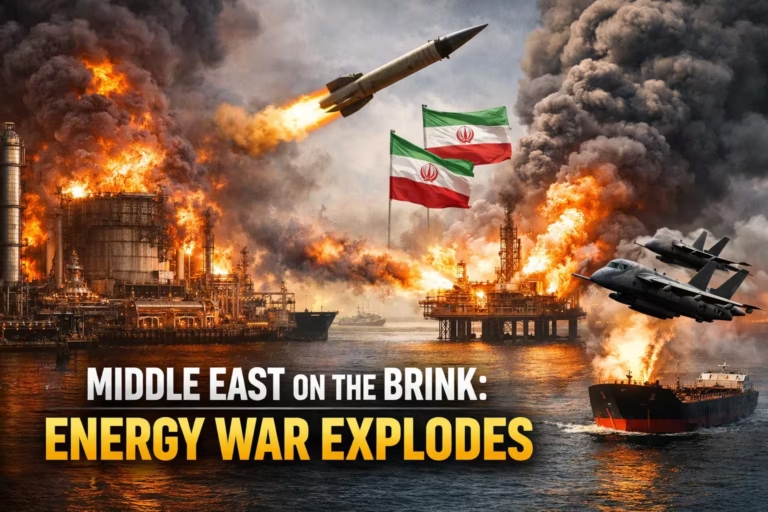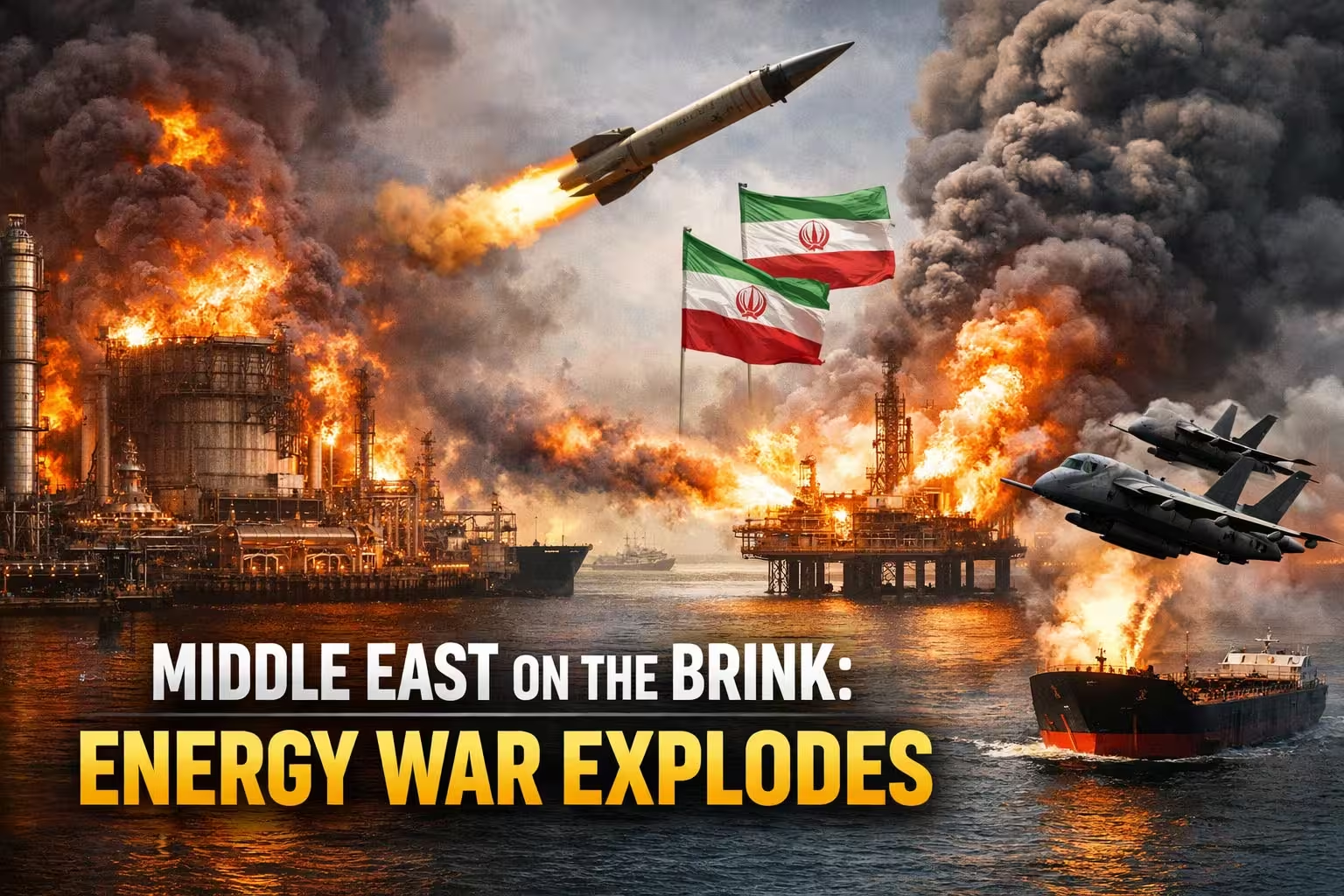
The escalating conflict in the Middle East has taken a dangerous turn toward an energy war, with direct attacks on critical oil and gas infrastructure across the Persian Gulf. Iran has launched retaliatory strikes on major energy sites in neighboring Gulf countries, following an Israeli attack on its key South Pars gas field.
This rapid intensification risks plunging the region—and the global economy—into a severe energy crisis.
As of March 20, 2026, the situation remains highly volatile, with oil prices fluctuating wildly amid fears of broader disruptions.
The Spark: Strike on South Pars
The latest escalation traces back to an Israeli strike on facilities tied to Iran’s South Pars gas field—the world’s largest natural gas reserve, shared offshore with Qatar. Reports indicate damage, fires, and production impacts at Iranian-linked sites in the field and nearby Asaluyeh processing areas. Iran condemned the attack as an act of economic warfare and vowed swift retaliation, labeling Gulf energy assets as “legitimate targets.”
Hours after the strike, Iran issued evacuation warnings for specific facilities in Saudi Arabia, the UAE, and Qatar, signaling imminent action.
Iran’s Retaliatory Strikes Across the Gulf
Iran followed through aggressively, targeting key energy infrastructure in multiple Gulf states:
- Qatar’s Ras Laffan LNG hub — the world’s largest liquefied natural gas export facility — suffered “extensive damage” from Iranian missile strikes, including fires and halted operations. QatarEnergy confirmed significant impacts, exacerbating earlier production suspensions.
- Saudi Arabia — refineries and petrochemical complexes (including SAMREF and Jubail) were hit, with reports of fires and disruptions.
- Kuwait — two major refineries (Mina Al-Ahmadi and Mina Abdullah) caught fire after drone and missile attacks.
- UAE — gas facilities like Al Hosn and others faced strikes or shutdowns after intercepts, with no major casualties reported in some cases but operations curtailed.
These attacks mark a sharp shift: energy infrastructure, long a red line in regional conflicts, has become a primary battlefield. Iran described the strikes as entering a “new stage” of the conflict, while Gulf states condemned them as reckless and vowed responses.
Global Energy Markets in Turmoil
The strikes have triggered immediate shockwaves:
- Oil prices surged dramatically, with benchmarks approaching or exceeding $110–$120 per barrel in intraday trading before partial retreats (e.g., WTI around $94–$95 and Brent over $100 in recent sessions, reflecting extreme volatility).
- LNG supplies face major threats, as Qatar is a dominant global exporter. Disruptions could ripple to Europe, Asia, and beyond.
- The Strait of Hormuz—through which roughly 20% of global oil flows—remains at heightened risk of closure or interference, amplifying fears of prolonged shortages.
Analysts warn this could evolve into a full “energy war,” with cascading effects on inflation, shipping costs, and economic stability worldwide.
International Reactions and Diplomatic Frenzy
Gulf nations (Qatar, Saudi Arabia, UAE, Kuwait) denounced the attacks, demanded secure shipping lanes, and signaled readiness for military countermeasures—though direct retaliation has been limited so far.
The United Nations and global leaders called urgently for de-escalation to avert catastrophe.
The U.S. response has been multifaceted. President Donald Trump warned Iran against further strikes on Qatar, threatening massive retaliation against South Pars if attacks continue.
Yet, in a striking policy pivot, the administration is actively considering easing sanctions on Iranian oil exports—specifically waiving restrictions on barrels already at sea (estimated at ~140 million barrels)—to flood the market, lower prices, and ease consumer pain at home. Treasury Secretary Scott Bessent described it as using Iranian oil “against the Iranians” amid the crisis.
Broader Human and Economic Fallout
Beyond markets, the conflict inflicts growing humanitarian strain: civilian displacement rises, and targeting energy sites heightens risks to workers and nearby populations.
The war, now nearing its third week, has already reshaped regional dynamics and global supply chains.
One-Line Takeaway
A regional war is expanding into an energy crisis—with global economic consequences.
The coming days will be critical. If attacks on energy assets persist, the path to stabilization narrows, and the world braces for higher costs at the pump and beyond. De-escalation efforts—diplomatic or otherwise—have never been more urgent.

Nikhil Sharma is a seasoned news editor at TheDailyNewsTimes.com, based in India. With over a decade of experience, he specializes in political, entertainment and cultural journalism. His editorial leadership delivers balanced, impactful content for a global audience. Nikhil’s dedication to truth has earned him widespread respect in the industry.