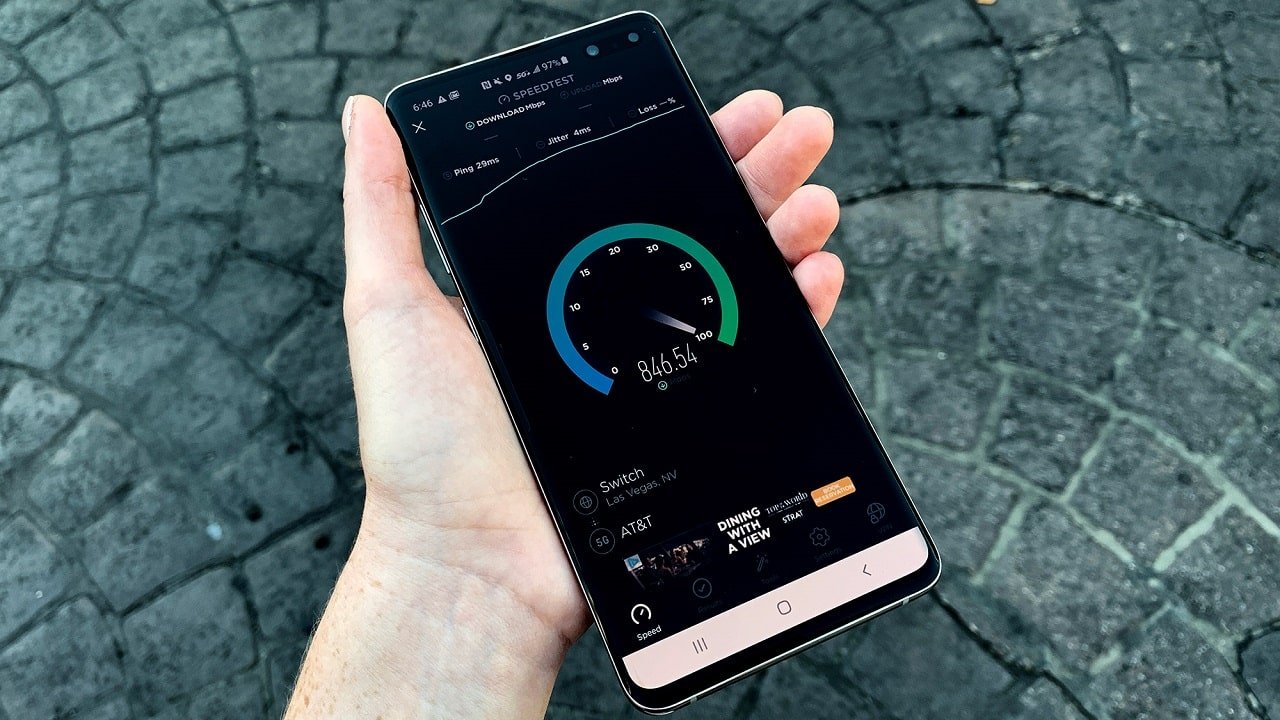
If you’re like most folks, you probably think 4G is old news now that 5G is everywhere. But guess what? In 2025, 4G is still powering most of our phones, streaming, and scrolling. It’s faster than you might remember, but there are some cool tricks and secrets about how it really works.
Don’t worry—no tech jargon overload here. We’ll break it down like chatting over coffee. Let’s dive into 10 things you probably didn’t know about 4G’s speed and zip.
1. 4G Isn’t the “Real” Deal—It’s a Supercharged Version of 3G
Picture this: What we call 4G is mostly “LTE,” which is like 3.9G—a fancy upgrade to the old 3G networks. The true 4G dream (super-fast, all-digital) needs something called LTE-Advanced, but most carriers stick to basic LTE. That’s why your speeds might not hit the hype. It’s like driving a sports car on a highway with speed bumps.
2. It Can Theoretically Zoom at 1 Gigabyte Per Second—But Everyday? More Like 12-30 Mbps
In a perfect lab, 4G could download a full HD movie in seconds (that’s 1 Gbps!). But in real life? Crowded cities or far-from-tower spots drop it to about 20 Mbps on average. Think of it as a busy highway: Lots of cars (users) slow everyone down.
3. Super-Low Delay Makes It Feel Like Magic (Just 20 Milliseconds!)
Ever notice how video calls or online games on 4G don’t stutter like they did on 3G? That’s because 4G waits only about 20 milliseconds (a blink of an eye) to send data back and forth. It’s like texting a friend across the room—instant!
4. One Tower Handles Just 300-400 People Without Breaking a Sweat
Old networks jammed thousands onto a single tower, causing total meltdowns. 4G is smarter: It spreads the load so each tower serves fewer folks efficiently. No more “buffering” nightmares at the mall or stadium.
5. It “Stacks” Radio Waves Like Building Blocks for Extra Speed
Ever wonder how your phone suddenly gets a speed boost? Carriers “stack” different radio frequencies—like mixing a low bass for reach and high treble for quick bursts. This combo can push speeds up to 300 Mbps. It’s like adding lanes to your highway without building new roads.
Want to supercharge your 4G experience? Check out our affordable Telenor internet packages codes now and get blazing speeds without the hassle!
6. Fancy Antennas Send Data in Multiple “Lanes” at Once
4G uses tech called MIMO (think “multi-tasking antennas”) to shoot several data streams simultaneously through the air. It’s why the same weak signal feels way snappier than on 3G. Imagine mailing one letter vs. sending a whole package at the same time—faster delivery!
7. 4G Gulps Up Over Half of All Mobile Data—Even as 5G Grows
Back in 2014, 4G was hogging 30% of data traffic with just a tiny slice of users. Today? It’s over 50% worldwide because it’s everywhere. 5G is flashy, but 4G is the reliable workhorse carrying your Netflix binges.
8. Sometimes 4G Beats 5G—Especially If You’re Not Near a Fancy Tower
In the countryside or on capped data plans, steady 4G can outrun throttled (slowed-down) 5G. Speed isn’t just about the number—it’s about coverage. Your “old” 4G might be the MVP for road trips.
9. It Squeezes Three Times More Juice from the Same Airwaves
4G’s secret sauce is OFDMA, which chops radio signals into tiny parallel channels. It’s like turning one busy phone line into dozens of chatty group texts. No wonder it packs more data without needing extra space.
10. Phone Calls Sound Crystal Clear Because They’re “Data-fied”
Forget fuzzy old calls—4G’s VoLTE turns voice into data packets for HD quality. It cuts out noise and lets you browse while talking. It’s like upgrading from a tin-can phone to a walkie-talkie on steroids.
There you have it—4G isn’t yesterday’s tech; it’s the unsung hero keeping us connected in 2025. Next time your phone flies through a download, you’ll know the wizardry behind it.

Nikhil Sharma is a seasoned news editor at TheDailyNewsTimes.com, based in India. With over a decade of experience, he specializes in political, entertainment and cultural journalism. His editorial leadership delivers balanced, impactful content for a global audience. Nikhil’s dedication to truth has earned him widespread respect in the industry.