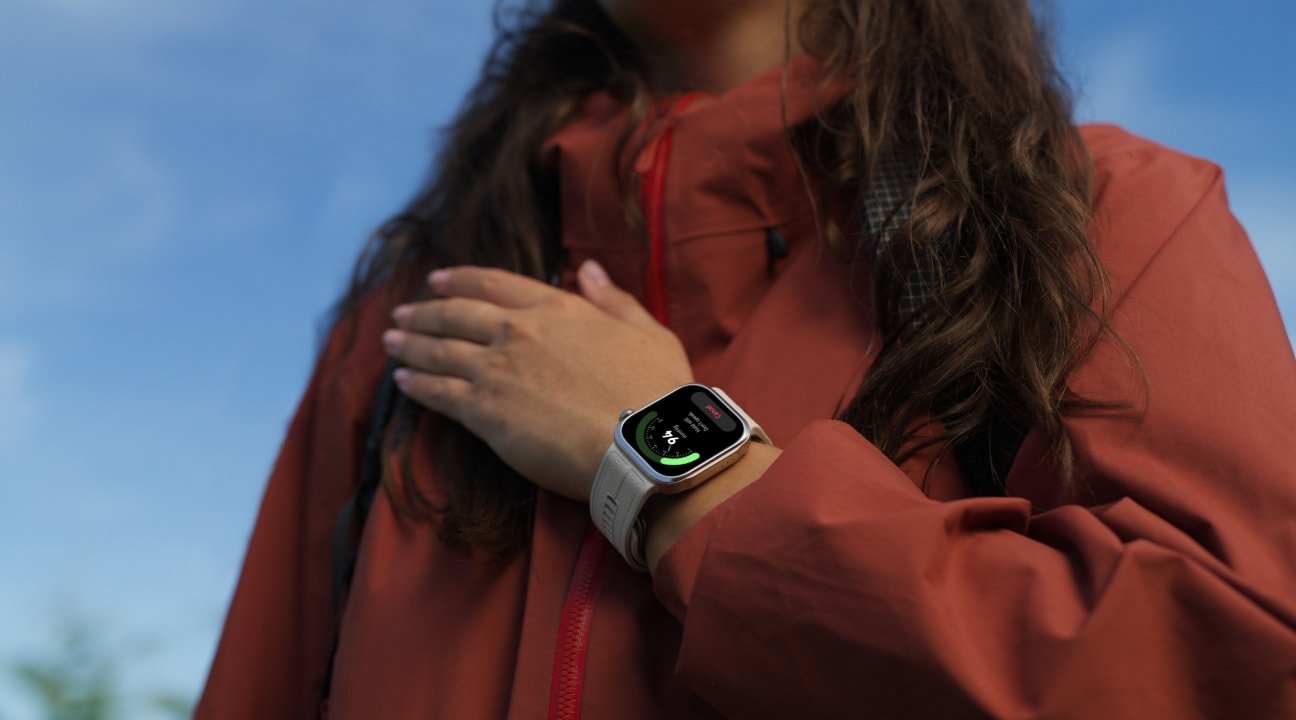
Cardiovascular health rests on several pillars at once: the pressure in the arteries, the rhythm of the heartbeat, and the habits that influence both. Checking one pillar while ignoring the others leaves the structure unexamined — yet until recently, comprehensive monitoring meant multiple devices, multiple appointments and a drawer full of equipment.
The HUAWEI WATCH D3 consolidates the essentials into a single wrist-worn toolkit: medical-grade blood pressure measurement, on-demand ECG recording and continuous arrhythmia screening, unified in one slim watch.
Why Rhythm and Pressure Belong Together
High blood pressure and atrial fibrillation are close companions. Sustained elevation of blood pressure is among the strongest risk factors for developing A-fib, and the two conditions multiply each other’s dangers when they coexist — particularly regarding stroke risk. Screening for one while remaining blind to the other captures only half the picture.
A device that monitors both closes that gap. Blood pressure trends reveal the chronic load on the cardiovascular system, while rhythm analysis watches for the irregular patterns that can appear without warning or symptoms.
ECG on Demand: Capturing the Moment
Palpitations have a frustrating habit of vanishing before they can be examined. By the time an appointment arrives, the rhythm has normalised and the episode survives only as an anxious description. On-demand ECG recording solves the timing problem: holding a finger to the watch’s side electrode for thirty seconds produces a beat-by-beat ECG report on the spot, capturing the rhythm while it is actually happening.
These recordings transform medical conversations. Instead of describing a sensation from memory, the wearer arrives with evidence — a trace from the exact moment that caused concern, ready for professional interpretation.
Building the Habit of Checking
A toolkit only protects when it is used, and cardiovascular monitoring works best as a light-touch routine rather than an anxious obsession. A morning blood pressure reading at a consistent hour, an ECG whenever the heart feels unusual, and an occasional twenty-four-hour ambulatory plan form a sensible cadence for most people. Over time the cadence becomes second nature, no more burdensome than glancing at the time.
Smart reminders make the routine effortless, prompting scheduled checks and adapting to circumstances such as sudden temperature drops or altitude changes. The aim is quiet confidence: knowing the important signals are being watched, without devoting mental energy to watching them.
Continuous Screening Between Checks
Between deliberate ECG recordings, pulse wave arrhythmia analysis keeps silent watch. Using the optical sensor, it monitors pulse patterns for signatures suggestive of atrial fibrillation and raises timely alerts when something warrants attention. Because A-fib episodes are often fleeting and symptom-free, passive screening catches what spot checks miss.
The combination of the two approaches — continuous background screening plus on-demand recording — mirrors how clinicians think: routine surveillance punctuated by deeper investigation when the situation calls for it.
Sharing the Load With Family
Heart health rarely concerns one person alone. The Health Community feature lets trusted family members follow shared metrics — blood pressure readings, Health Glance summaries, heart rate, activity and sleep — and receive real-time alerts when something moves outside its usual range. For adult children keeping watch over ageing parents, or partners supporting each other through lifestyle changes, the shared visibility replaces anxious guesswork with calm awareness.
Crucially, participation is by consent and the shared data is selective. The arrangement supports independence rather than undermining it: help arrives when genuinely needed, and everyday life proceeds without supervision.
Blood Pressure as the Foundation Metric
Underpinning the rhythm tools sits the watch’s core capability: blood pressure measurement built on the oscillometric method, with a mechanical airbag and high-precision pressure sensor delivering medical-grade readings under CE-MDR certification. Twenty-four-hour ambulatory monitoring plans extend single readings into full day-and-night profiles, compiled into professional reports that can be shared with a GP.
Pre- and post-exercise measurements add another dimension, checking that training days begin from a safe baseline and capturing how the cardiovascular system recovers after exertion — particularly relevant for anyone managing blood pressure while staying active.
One Picture, Not Three Gadgets
The real achievement of consolidation is coherence. Blood pressure trends, ECG traces, arrhythmia alerts, sleep analysis and activity records flow into a single app where Health Insights presents them as one story. Correlations that would never emerge from separate devices — a poor night preceding an irregular morning, a stressful week nudging both pressure and pulse — become visible without any analytical skill on the wearer’s part. Few investments of thirty seconds repay themselves so reliably.
Practical design sustains the habit: a slim 11.3 mm profile, up to six days of battery life in typical use, and compatibility with both iOS and Android ensure the toolkit stays on the wrist where it belongs.
Learning What the Numbers Say
A complete toolkit rewards a little education, particularly around how exertion influences cardiovascular readings. This expert guide to exercising with a smartwatch bp monitor, written by a preventive cardiology specialist, explains how effort and recovery shape blood pressure and rhythm — knowledge that turns a capable device into genuine understanding.