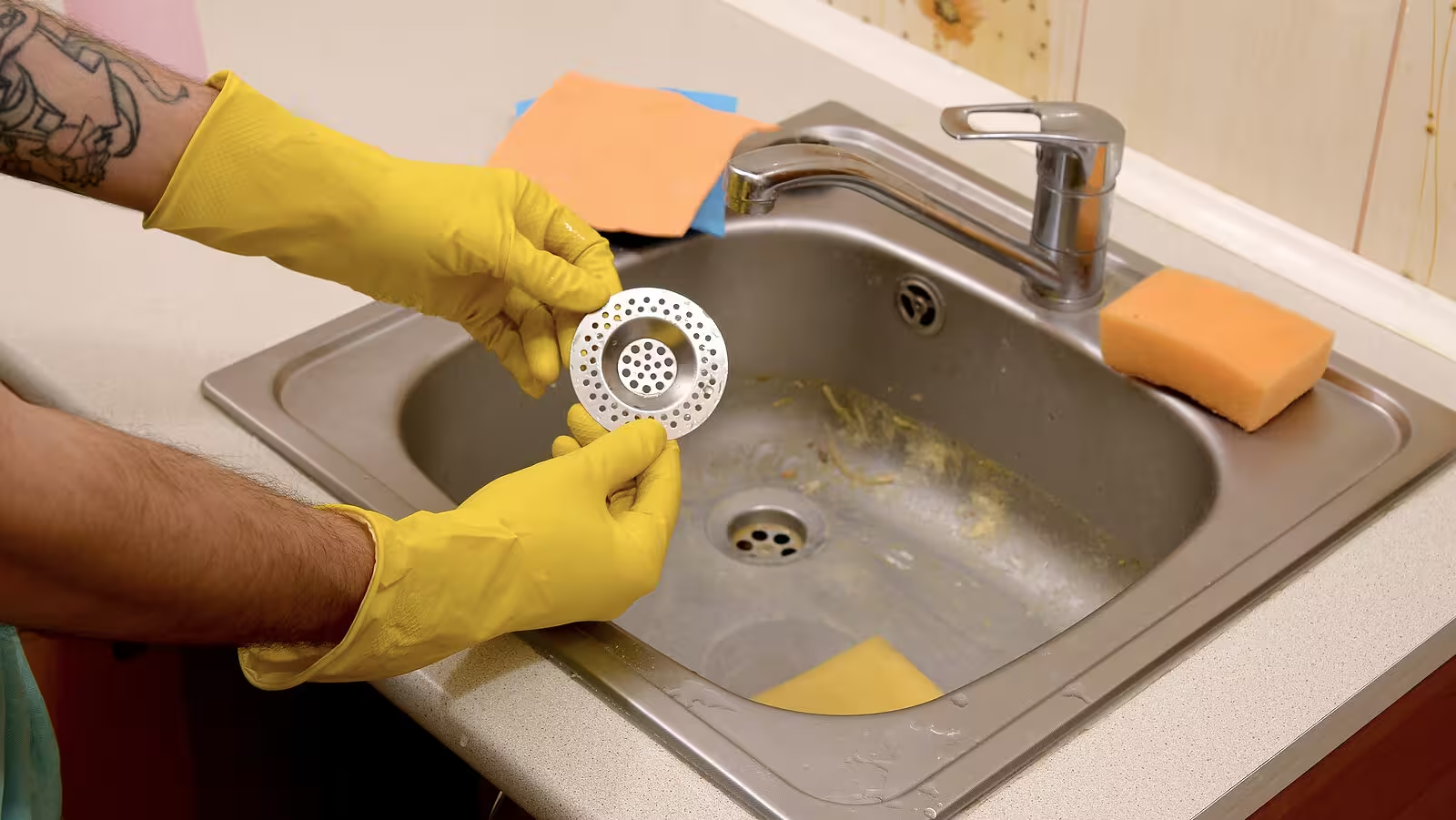
Clogged drains are one of the most common household headaches, but the good news is that most of them are entirely preventable. If you live in Calgary, where temperature swings and older homes are common, adopting smart daily habits becomes even more important.
By building these simple routines into your schedule, you can keep your kitchen, bathroom, and toilet drains flowing freely for years and reduce the need for professional residential drain cleaning in Calgary.
1. Never Pour Grease, Oil, or Fat Down the Drain

Grease is the leading cause of kitchen sink clogs. It pours easily when hot but cools and hardens quickly inside your pipes, trapping food particles and forming thick, stubborn blockages over time.
Smart grease habits:
- Let grease cool completely before disposal, then throw it in the trash or a sealed container.
- Wipe pans with a paper towel before washing.
- Always run hot water for 20–30 seconds after doing the dishes to help flush away any remaining residue.
2. Use Drain Screens and Hair Catchers

Simple mesh screens and hair catchers are one of the easiest and most effective first lines of defense against clogs.
Quick prevention tips:
- Install strainers in your kitchen sinks to catch food scraps.
- Use affordable hair catchers in showers and bathroom sinks.
Make it a habit to empty and rinse them daily or after each use. This small daily effort prevents the majority of hair and soap scum clogs that commonly affect Calgary homes.
3. Flush Drains with Hot Water Regularly
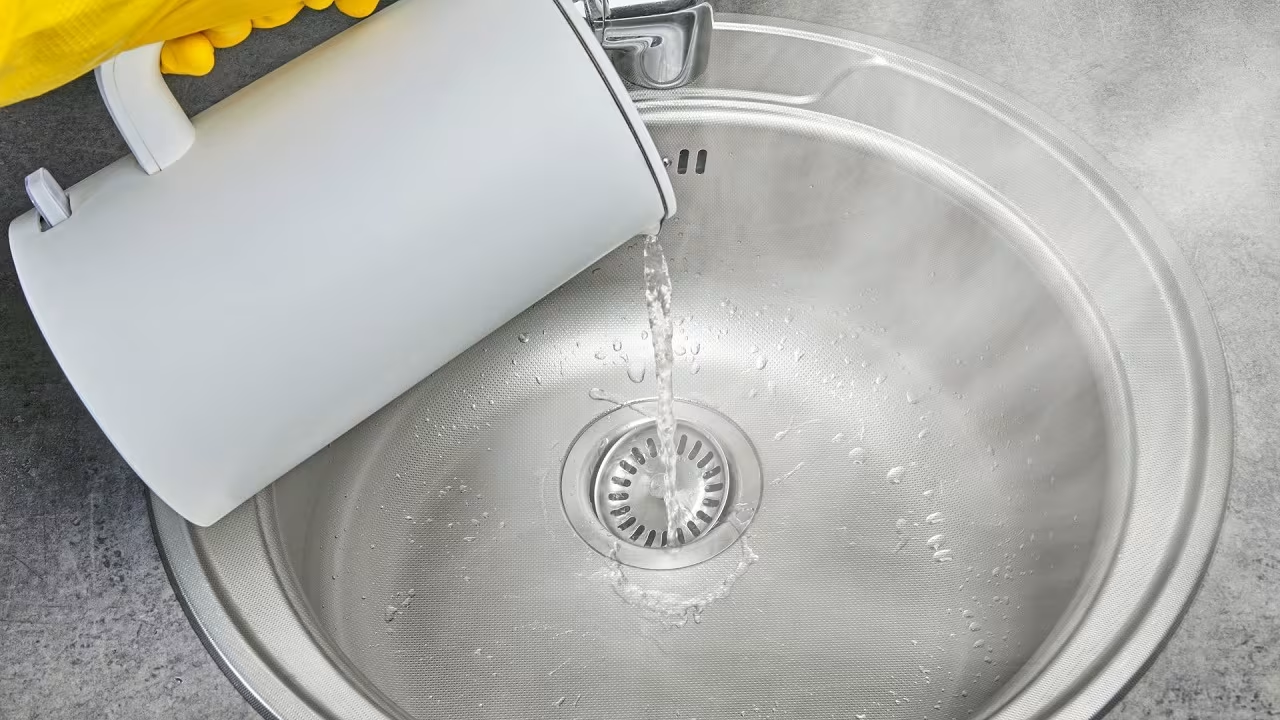
Running hot water is a simple way to flush away small bits of grease, soap, and debris before they settle and build up in your pipes.
Easy hot water routine:
- After every shower or dishwashing session, let hot water run for 15–30 seconds.
- Once a week, slowly pour a full kettle of boiling water down each drain.
This quick habit helps melt minor grease buildup and keeps your pipes flowing smoothly.
4. Keep Food Scraps Out of the Sink

Your garbage disposal is a handy kitchen helper, but it’s not built to handle everything. Items like coffee grounds, rice, pasta, potato peels, and fibrous vegetables are frequent causes of clogs.
Best practices:
- Always scrape leftover food from plates into the trash or compost bin before rinsing.
- Run cold water while using the disposal and continue for at least 15 seconds afterward.
- Avoid sending large quantities of food down at once, as this can overload the system.
This version keeps the original meaning while making it slightly more polished, structured, and user-friendly. Let me know if you’d like a different tone (more casual, formal, concise, etc.)!
5. Clean Drain Stoppers Weekly
Hair, soap scum, and gunk build up quickly on drain stoppers and covers, creating the perfect environment for clogs.
Quick weekly maintenance: Set aside just two minutes once a week to remove the stopper, wipe away debris with a paper towel or old toothbrush, and rinse it thoroughly.
This simple habit dramatically reduces buildup and helps keep your drains flowing smoothly and efficiently.
6. Only Flush Toilet Paper
Many so-called “flushable” wipes, paper towels, cotton balls, feminine products, and dental floss don’t break down easily. These items are among the most common causes of major toilet and sewer line clogs.
Simple solution: Place a small trash bin right next to the toilet for anything other than toilet paper. Teach every member of the household this one easy rule: “If it’s not toilet paper, it goes in the trash.”
If your home has a septic system, be especially careful about what goes down the drains.
7. Refresh Drains Naturally Every Month
A gentle monthly treatment is one of the best ways to break down organic buildup and keep your pipes fresh—without using harsh chemical cleaners.
Natural drain refresher:
- Pour ½ cup of baking soda down the drain.
- Follow with 1 cup of white vinegar.
- Let the mixture fizz for 10–15 minutes.
- Flush thoroughly with hot water.
For even better long-term results, use an enzyme-based drain maintainer a few times a year.
Final Thoughts
These seven habits are easy to follow and require only a few minutes each week. When practiced consistently, they can significantly extend the life of your plumbing system and minimize frustrating clogs. You should also check these plumbing hacks for kitchen and bathroom.
Even with excellent maintenance habits, older pipes or heavy household use can still cause problems over time.
If you notice slow draining, gurgling sounds, recurring odors, or backups in your Calgary home, professional residential drain cleaning in Calgary is often the quickest and most effective way to restore proper flow and prevent more serious (and costly) issues later on.