If you’ve been feeling heavy, sluggish, puffy, or stuck in comfort-food mode, it may not be a willpower issue.
In Ayurveda, these patterns are often linked to a Kapha-dominant state. Kapha energy is naturally steady and grounded, but when it goes out of balance, it can lead to slow digestion, water retention, and unwanted weight gain. The good news is that Kapha responds remarkably well to simple, consistent shifts.
This is not a crash diet or extreme restriction. It’s a balanced 10-day reset designed to boost digestion, reduce feelings of heaviness, increase natural energy, and support gentle, sustainable weight loss.
The focus is on choosing foods and daily habits that are lighter, warmer, and more stimulating — qualities that help balance Kapha without leaving you feeling deprived.
Note: These recommendations are specifically for individuals with a Kapha-dominant body type. To confirm your dosha, take CureNatural’s Ayurveda dosha test. Different body types (Vata or Pitta) require different approaches.
Foods to Stick To During the 10-Day Kapha Reset

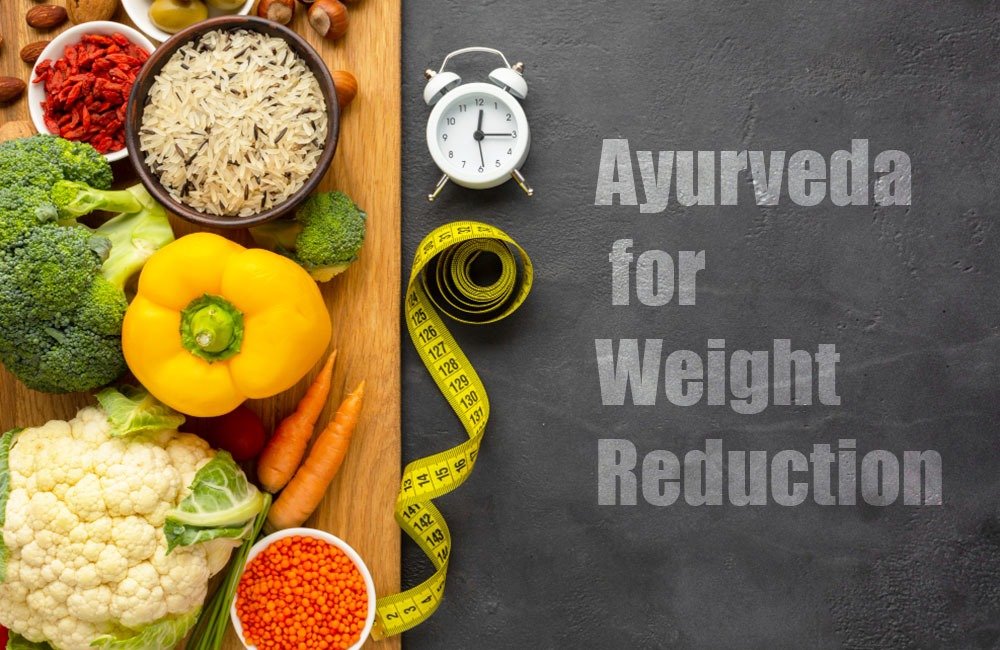
For the next 10 days, prioritize Kapha-friendly foods such as cooked or lightly sautéed vegetables including leafy greens like kale, arugula, and spinach, as well as broccoli, cauliflower, Brussels sprouts, asparagus, zucchini, and cabbage. Include legumes like lentils, chickpeas, mung beans, and split peas. Opt for light grains in moderation such as quinoa, barley, and millet.
Choose fruits in limited quantities, favoring apples, pears, berries, and pomegranate. For proteins, focus on light fish, eggs (ideally at breakfast or lunch), and plant-based options.
During this reset, steer clear of heavy meats, creamy sauces, fried foods, and excess dairy, as these can further increase Kapha qualities and slow digestion.
The 5 Biggest Digestion-Boosting Rules
These five principles form the core of the Kapha reset. Following them consistently is what creates noticeable shifts in energy and lightness.
1. Eat Hot or Warm Food Only
Cold foods and drinks can dampen the digestive fire for Kapha types, making digestion even slower. For the 10 days, skip smoothies, iced drinks, and cold leftovers. Instead, choose warm breakfasts, soups, stews, warm grain bowls, and herbal teas. Warmth naturally stimulates digestion and helps melt away feelings of heaviness.
2. Avoid Extremes: Not Too Heavy, Not Too Raw
Extremely heavy foods such as fried, creamy, or cheesy dishes create stagnation, while large amounts of raw salads can also be difficult for Kapha to digest. Aim for lightly cooked vegetables, simple well-spiced meals, and moderate portions. Focus on what is easy to digest rather than strict diet food.
3. Choose Dry or Baked — Minimize Oils
Kapha benefits from lighter cooking methods that reduce moisture and oiliness. Best options include baking, roasting, steaming, or light sautéing. Avoid deep frying or heavy oils. If using oil, keep amounts minimal — a light sesame oil spray works well. Skip butter and creamy dressings. The goal is not to be completely fat-free, but to keep meals from feeling greasy.
4. Reduce Sweet, Sour & Salty — Emphasize Spiced, Bitter & Astringent
Kapha is aggravated by excess sweetness, heavy salty snacks, and sour flavors. Instead, build meals around warming and stimulating spices such as ginger, black pepper, turmeric, cumin, mustard seed, and cinnamon.
Include bitter greens like arugula, kale, dandelion greens, and radicchio, along with astringent foods such as lentils, chickpeas, pomegranate, green tea, and cranberries. These flavors help reduce water retention and gently stimulate digestion.
5. Eat at the Same Time Daily
Routine is incredibly supportive for Kapha types. For the 10 days, eat meals at consistent times every day, make lunch your largest meal, keep breakfast light but warm, and finish dinner early — ideally by 6:00 PM. Digestive strength peaks around midday, so aligning with this natural rhythm prevents sluggishness and supports steady weight management.
A simple daily rhythm could look like a light warm breakfast between 7:30–8:30 AM, the largest meal between 12:00–1:00 PM, and a light dinner by 5:30–6:00 PM. Avoid late-night snacking.
What a Typical 10-Day Kapha Reset Day Might Look Like
A sample day could include warm spiced apples with cinnamon and a small portion of eggs or lentil porridge for breakfast. Lunch might be a quinoa bowl with roasted vegetables, lentils, arugula, and a light ginger-cumin dressing. For dinner, enjoy a light vegetable soup or sautéed greens with chickpeas. Sip warm ginger tea or herbal tea throughout the day to support digestion.
You can expect reduced bloating, improved elimination, more stable energy, fewer cravings, and an overall lighter, clearer feeling. While gentle weight loss often occurs, the primary goal is to rebuild digestive strength and create lasting momentum.
The Most Important Step: Make Sure This Reset Is Right for You
Not every body type benefits from a Kapha-focused plan. This reset is especially helpful if you commonly feel sluggish or heavy, puffy or bloated after meals, strong cravings for sweets and comfort foods, or foggy and low energy in the morning.
However, if you tend to feel hot, irritable, or experience anxiety (especially at night), your dominant dosha may be different. The best way to personalize your approach is to take the CureNatural Ayurveda dosha test to identify your primary body type. From there, you can follow a targeted plan that truly matches your unique constitution.
Sustainable weight loss and better health happen most effectively when the approach is tailored to your body — not a one-size-fits-all solution.
Start with small, consistent changes, listen to how your body responds, and enjoy the natural lightness that comes with a balanced Kapha reset.