In the 2026 real estate and home maintenance landscape, mold remediation has evolved into a high-stakes decision that directly influences property health, resale potential, and long-term peace of mind. With humidity-driven growth persisting in regions like South Florida and buyers scrutinizing indoor environments more than ever, homeowners face a crowded field of providers—from national franchises to independent local specialists.
Distinguishing among them requires moving past surface-level promises to examine credentials, processes, pricing structures, and post-job accountability. The right choice prevents recurrence, supports insurance claims, and safeguards both occupants and asset value.
The industry remains fragmented, blending large-scale operations with smaller, regionally attuned teams. National players bring standardized protocols and broad resources, while local experts often deliver faster response times and deeper familiarity with area-specific moisture challenges. What separates effective services from the rest lies in consistent, verifiable practices rather than marketing claims alone.
Certifications: The Non-Negotiable Foundation
Legitimate mold remediation begins with recognized credentials, particularly the Institute of Inspection, Cleaning and Restoration Certification (IICRC). Technicians holding the Mold Remediation Specialist (MRS) designation demonstrate proficiency in containment, negative air pressure systems, HEPA filtration, and safe disposal protocols aligned with ANSI/IICRC S520 standards.
These qualifications ensure work follows science-based guidelines rather than improvised shortcuts.
National franchises such as SERVPRO and ServiceMaster Restore typically maintain IICRC-certified teams across their networks, offering consistency for multi-location or insured claims. Independent providers in humid markets frequently match or exceed this bar through targeted local training.
Homeowners should verify certifications directly through the IICRC locator rather than accepting verbal assurances, as this step alone filters out unqualified operators who may exacerbate spore spread.
Remediation Methods: Substance Over Speed
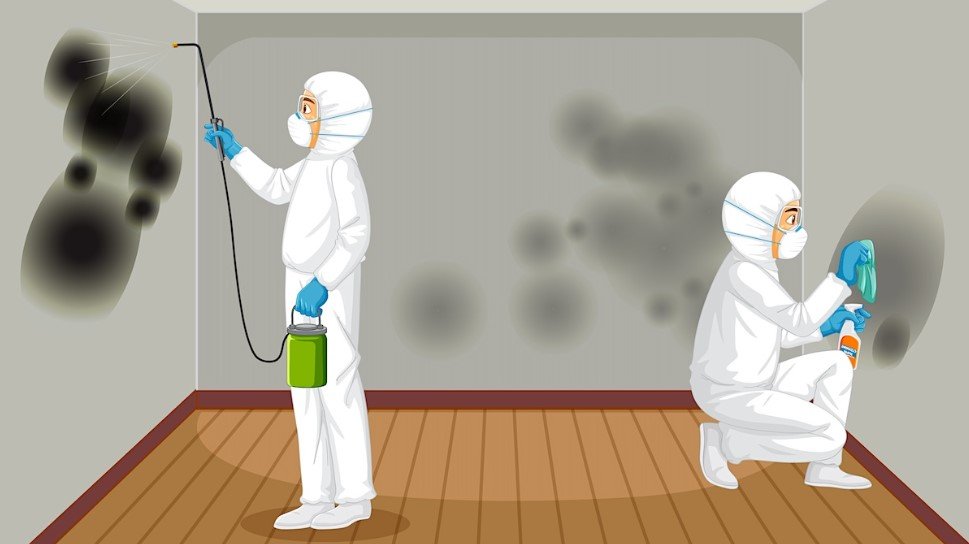
Effective services prioritize physical removal of contaminated materials, thorough cleaning of salvageable surfaces, and engineering controls to contain spores during the process. Reputable providers follow a sequence of inspection, containment, removal, antimicrobial application where appropriate, drying, and independent clearance testing—often by a third-party inspector to eliminate conflicts of interest.
Avoid firms relying heavily on fogging or chemical sprays without material removal; these approaches may mask rather than eliminate sources and raise red flags among informed consumers.
National leaders like PuroClean and AdvantaClean distinguish themselves through proprietary drying systems and preventive moisture control add-ons, while local teams in high-humidity zones excel by addressing region-specific vectors such as slab foundations or coastal condensation. The differentiator remains documentation: detailed before-and-after reports, including air and surface sampling results, that stand up to lender or insurer review.
Cost Structures: Transparency Versus Surprises
When it comes to mold remediation costs in 2026, they typically range from $1,100 to $2,900 for standard residential jobs, scaling to $10,000 or more for whole-home or structural involvement. Per-square-foot pricing often falls between $10 and $30, depending on containment needs and material disposal.
What matters is itemized scoping—labor, equipment, testing, and reconstruction—rather than flat bids that omit critical steps.
National franchises frequently coordinate directly with insurance carriers, streamlining documentation but sometimes introducing franchise-level variability in execution. Local specialists may quote more competitively for contained projects while emphasizing upfront pricing and no hidden change orders.
The lowest bid rarely proves the best; instead, compare scopes side-by-side, ensuring each proposal addresses root moisture sources rather than symptoms alone. Value emerges from services that include post-treatment warranties, often one to five years, backed by re-testing if issues reappear.
Insurance Coordination and Documentation
In a claims-heavy environment, providers that supply comprehensive photographic records, laboratory results, and compliance forms accelerate approvals and minimize out-of-pocket exposure. SERVPRO and MOLD ONLY have built reputations for insurer-preferred workflows, leveraging national networks to handle large losses efficiently.
Smaller firms counter with personalized advocacy, often walking homeowners through every claim milestone. Either path succeeds when paired with clear communication and adherence to industry standards.
National Franchises Versus Local Specialists
Franchise models deliver 24/7 dispatch, standardized equipment fleets, and broad geographic coverage—advantages for urgent or complex commercial jobs. ServiceMaster Restore, for instance, pairs rapid response with reconstruction capabilities under one roof. Yet execution can vary by local franchise, and the personal touch sometimes yields to corporate processes.
Independent local companies, particularly in moisture-prone areas, often respond within hours and tailor protocols to prevailing climate patterns. Their focus remains singular: mold and its triggers, without diverting resources across unrelated restoration categories. For South Florida homeowners, this localized expertise translates to faster identification of hidden issues in attics, crawl spaces, or HVAC systems shaped by subtropical conditions.
Red Flags and Practical Selection Steps
Steer clear of service providers who perform both inspection and remediation without third-party verification, quote unusually low prices without site visits, or dismiss the need for containment and clearance testing. Request multiple written proposals, then evaluate them against identical scopes. Ask about technician training, equipment (negative air machines, HEPA vacuums), disposal methods, and post-job follow-up.
In 2026’s wellness-conscious market, the most capable services treat remediation as the start of prevention—recommending ventilation upgrades, humidity controls, and routine monitoring to protect resale value and occupant health. Homeowners who invest time in comparison secure not only immediate resolution but a documented, defensible outcome that supports future transactions.
Ultimately, the decision hinges on alignment between project needs and provider strengths. Whether through a national network’s scale or a local team’s intimate knowledge, the goal remains identical: thorough, lasting mold remediation grounded in verifiable expertise. For properties in high-risk zones, that deliberate evaluation pays dividends far beyond the initial investment.